

-
- Stallion Videos
- Sire Lists
-

-
Research
Features
Contact Us
Archive
Social
Careers
Real Estate
Ben's Stall
-
Remember Ben with a gift to Thoroughbred aftercare

-
-
Remember Ben with a gift to Thoroughbred aftercare
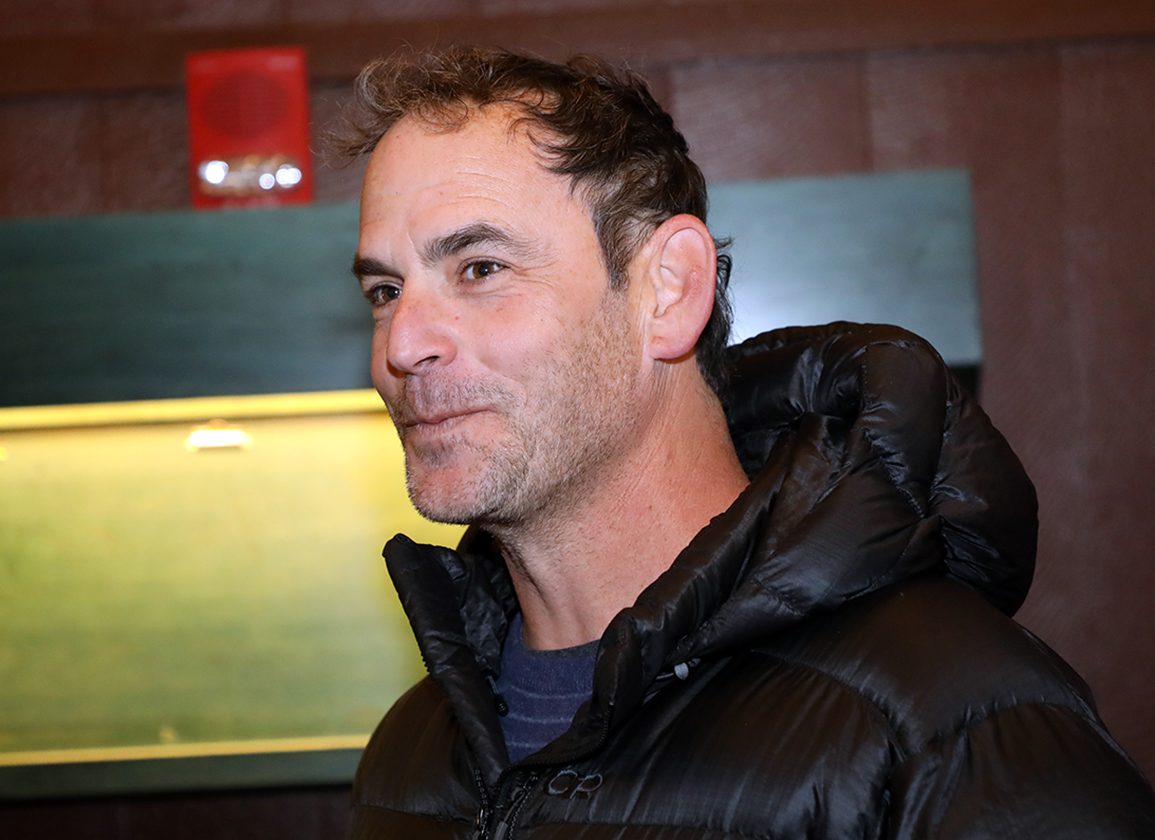
In horse racing, performance matters. I am a bloodstock agent and my performance is measured by the winning post. If I don't perform, I no longer have the credibility to earn a living buying racehorses. The Jockey Club was founded "not only to encourage the development of the thoroughbred horse, but to establish racing on such a footing that it may command the interests as well as the confidence and favourable opinion of the public." I moved to Kentucky to work in the horse business in 2000. Since then: The...

Every summer, the New York Thoroughbred Horsemen's Association (NYTHA) takes in a small gaggle of college-age interns--what for many of them proves a baptism of the turf. This year's batch--three Yale undergrads studying economics, electrical engineering and political science--were tasked with a data-driven analysis of the economics of the national horse racing biz over the past 20 years. Harboring no previous relationship with the industry, the three undergrads came in free of prejudice and preconceptions. The result is a 33-page paper weaving piercing and worrying insights into the state of...
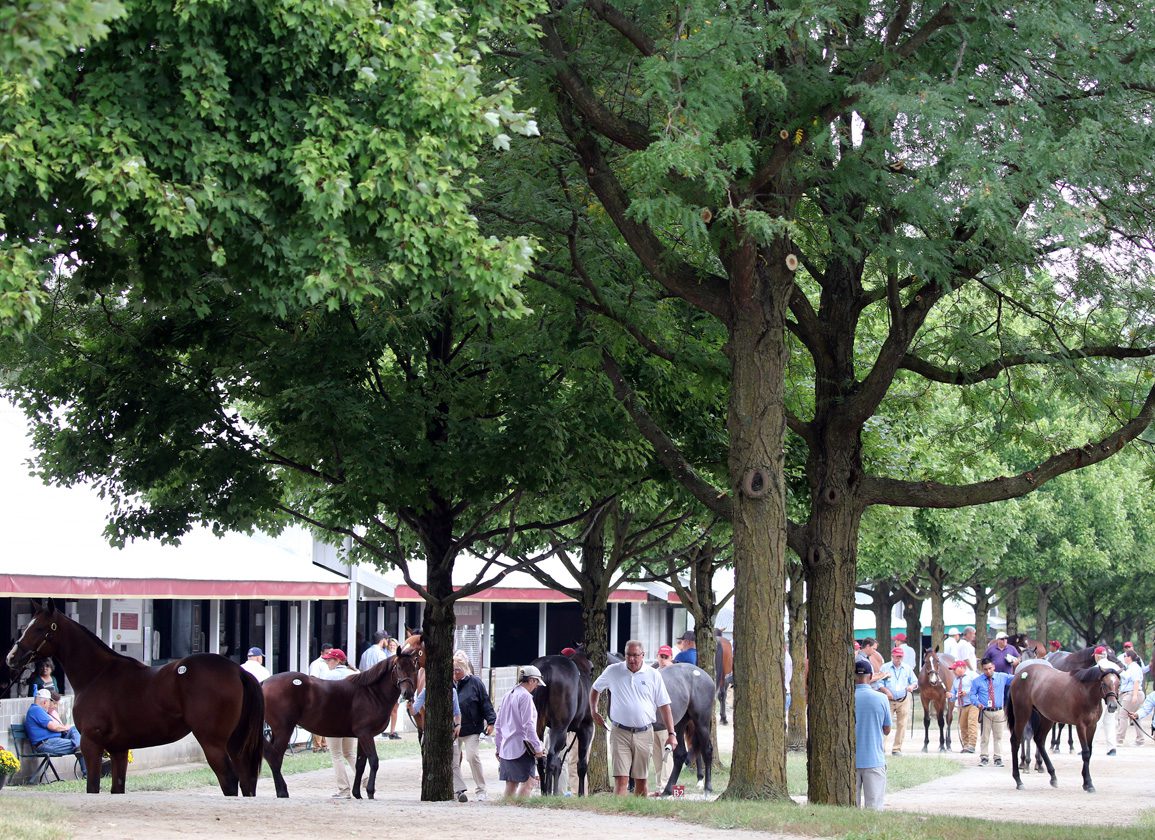
It's a long time now, some 40 years or so, since Nelson Bunker Hunt's notorious observation that "a billion dollars isn't what it used to be". Which presumably means that today it's no longer even quite what it was, back when it wasn't what it used to be. After all, we've just seen the dispersal of a single art collection--assembled by the late Paul Allen, co-founder of Microsoft--realize $1.5 billion. Nonetheless it feels as though the transatlantic yearling market, in 2022, has reached a pretty historic landmark in tipping 10...
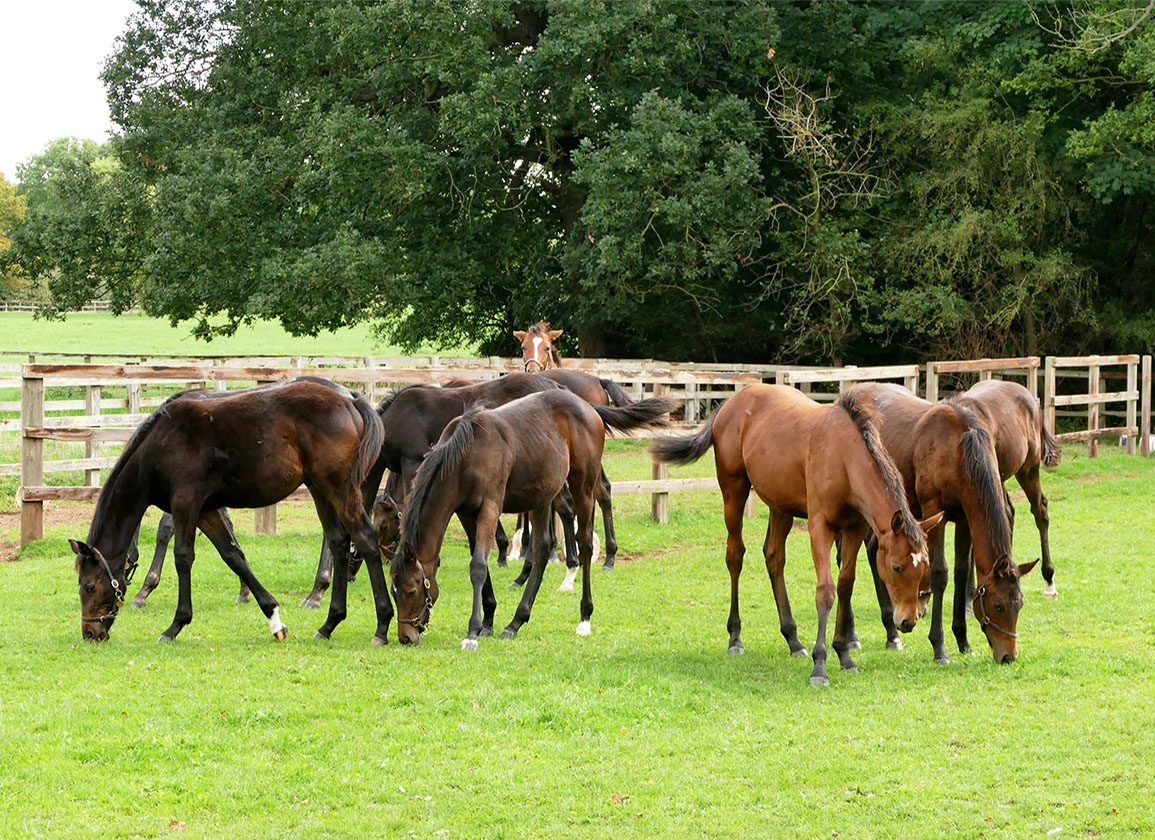
Coolmore's Sioux Nation topped the charts of the busiest Flat stallions in Britain and Ireland in 2022, with 255 mares covered, just head of Tally-Ho Stud's new recruit Starman (GB) on 254. Weatherbys' recently published Return of Mares shows that Starman's stable-mate Mehmas (Ire) was sent 249 mares, the same number as Coolmore resident Wootton Bassett (GB), while the most active sire in Britain was Overbury Stud's Ardad (Ire), who covered 205. The only other British-based stallion in the top ten on numbers was the champion sire Frankel (GB), who...
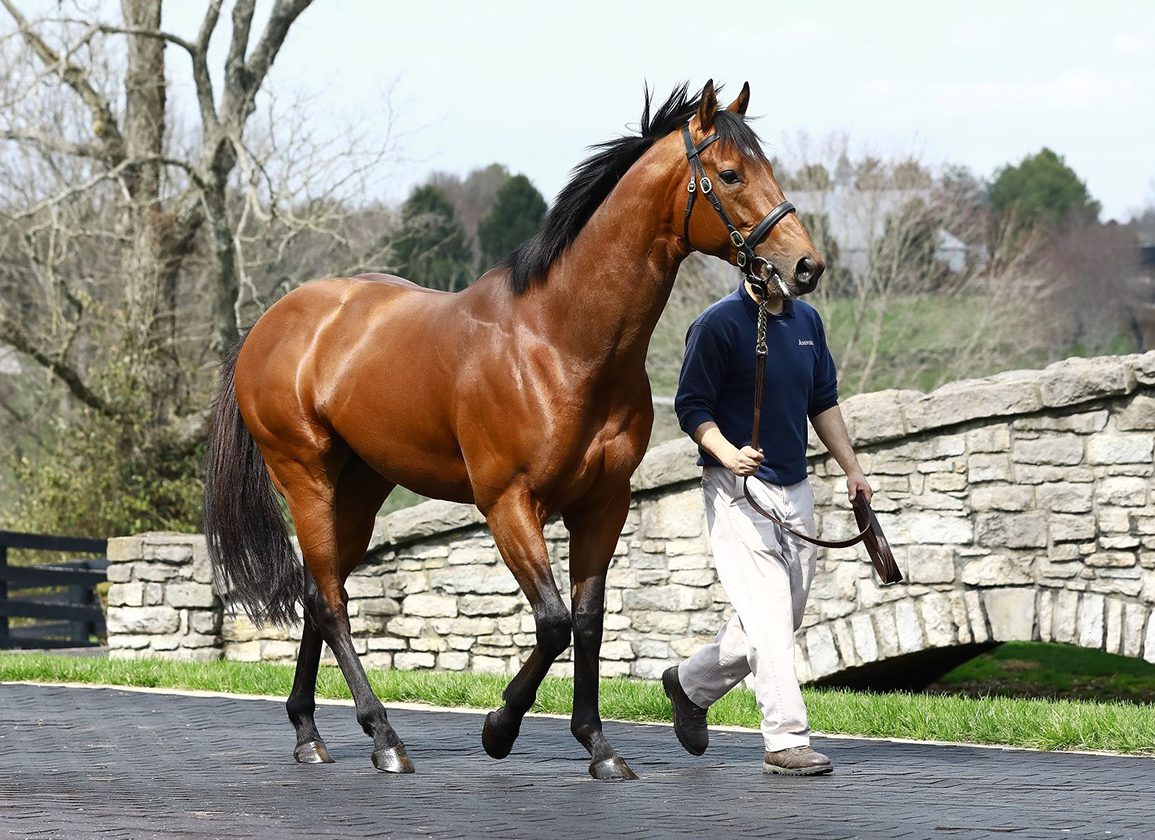
The Jockey Club (TJC) announced Wednesday that breedings in 2021 have resulted in 18,609 live foals of 2022. At this same time last year, The Jockey Club reported that the breedings had resulted in 19,021 live foals, which marks a year-over-year decline of 2.2%. The foal crop has declined every year since 2015 and was at 35,274 as recently as 2008. The Jockey Club estimated that the number of live foals reported so far is 85-90% complete. In total, 1,303 stallions covered 29,065 mares, according to statistics compiled through Oct....

The North American registered Thoroughbred foal crop is projected to be 18,500 in 2023, The Jockey Club (TJC) reported Friday morning. This is 200 fewer foals than last year's estimate of 18,700 and represents the seventh straight year of decline. The last time numbers like this were seen was in 1965, when the foal crop was 18,846. The high-water mark of 51,296 was reached in 1986. The crop has declined every year since then with the exception of 2015. Additional foal crop information is available in TJC's online fact book....

For the American Graded Stakes Committee, 2020 presented challenges unlike anything it has faced before as the pandemic played havoc with racing schedules and caused the cancellation of numerous stakes. The TDN sat down with the committee's chairman Everett Dobson to discuss the challenges, why it made the changes that it did for 2021 and what might in store for future years. TDN: Take us through what the process entails when it comes to evaluating stakes races. What are the numbers that you crunch? ED: We look at a tremendous...
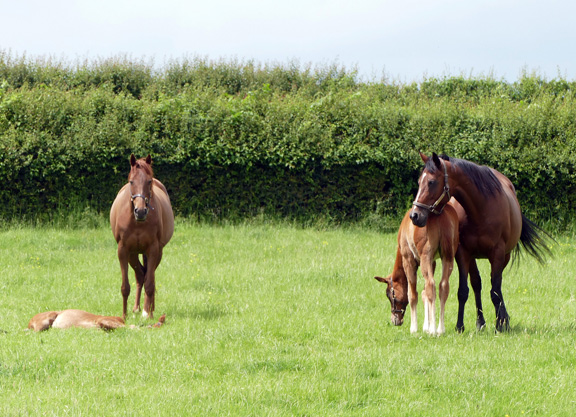
The Jockey Club is estimating that the 2021 North American Foal crop will be 19,200, which would mark the first time since 1965 that the number has been below 20,000. The Jockey Club released the projections Wednesday, some three weeks later than normal. The delay was to allow farms that have been affected by the coronavirus more time to submit their reports of mares bred. The North American foal crop hit an all-time high in 1986 when 51,296 horses were born. By 2006, it was down to 38,104 and with...

Aside from the threats to life and health, the global coronavirus pandemic has created massive economic and socio-political turmoil and fear over a short time span. In times like this--there haven't been many quite like this in recent years, except for the economic meltdown of 2008 and the crash of 1987 (Black Monday)--it's difficult to see the forest for the trees, but the worry some people have that things have changed for the worse is clear and real. Dr. Anthony Fauci said so himself. The Director of the National Institute...
Never miss another story from the TDN
Click Here to sign up for a free subscription.